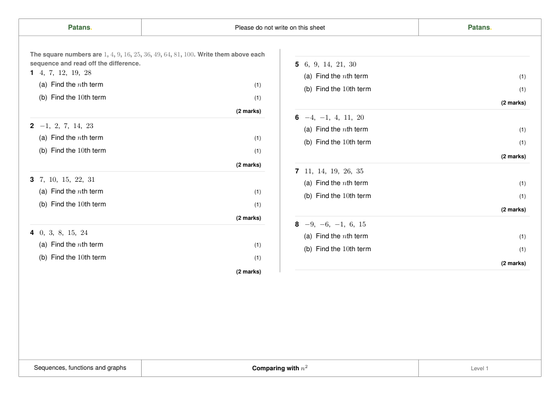
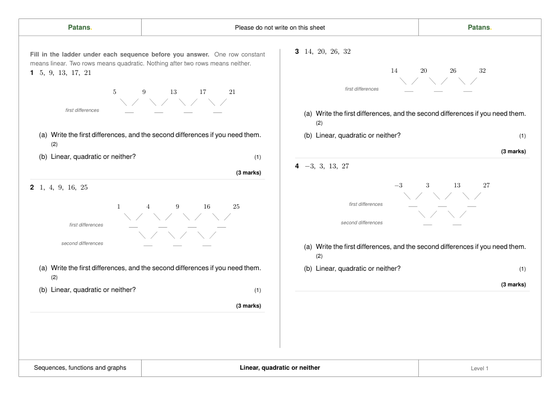
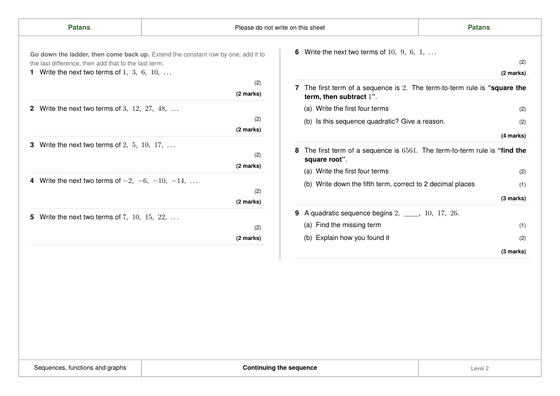
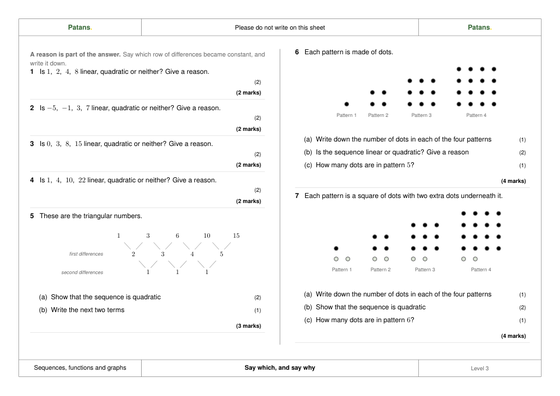
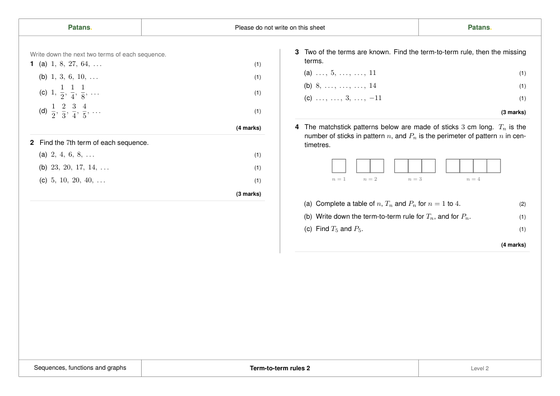
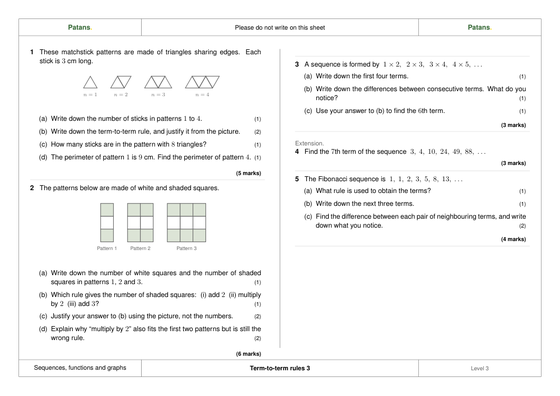
Generate linear and quadratic sequences from numerical patterns and from a given term-to-term rule (any indices).
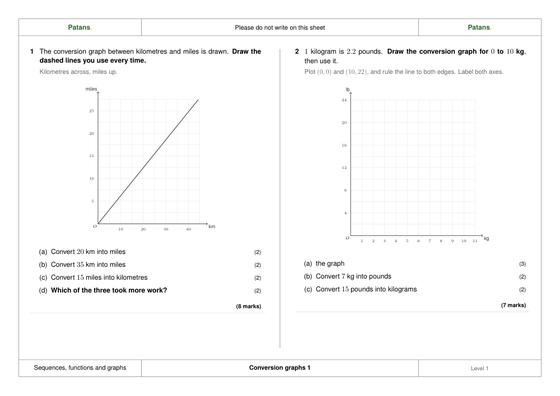
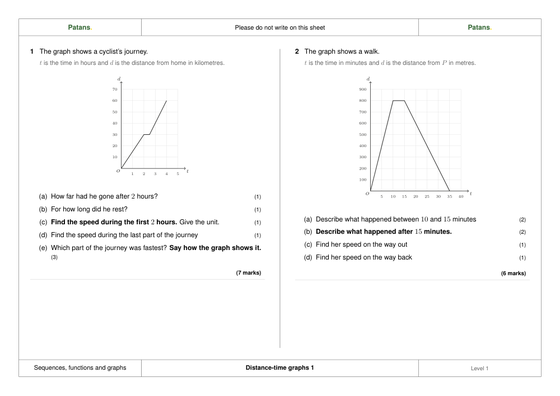
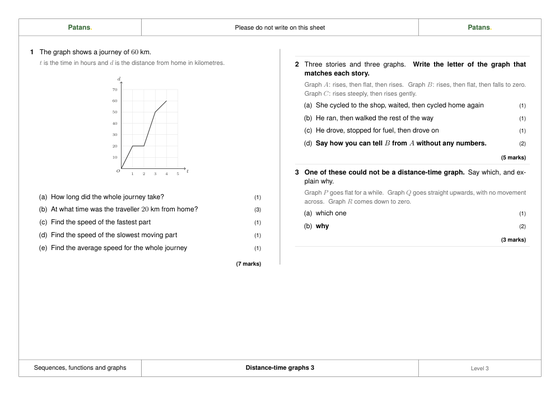
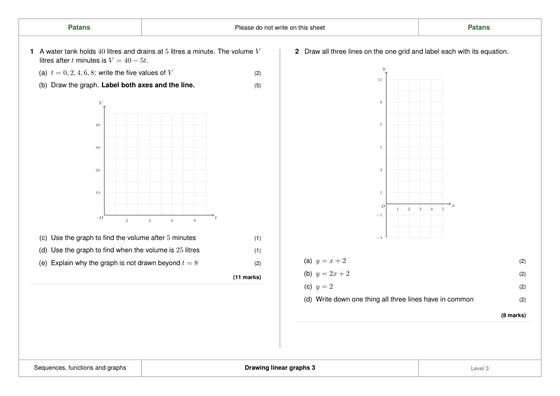
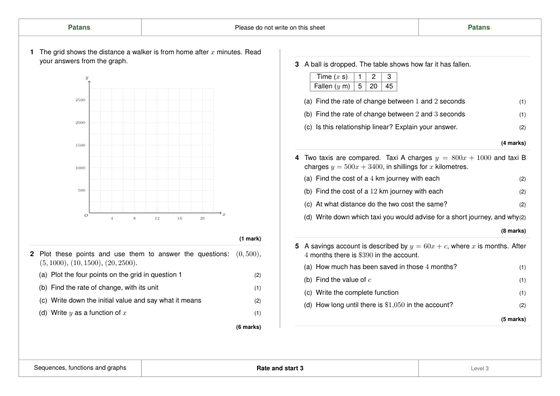
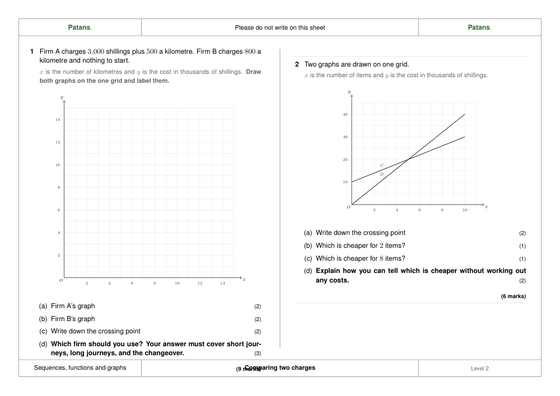
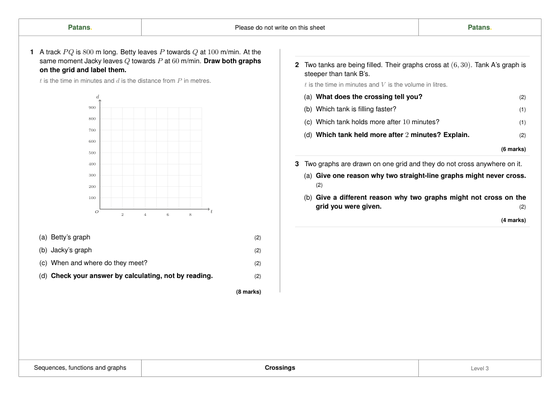
Read and interpret graphs related to rates of change. Explain why they have a specific shape.
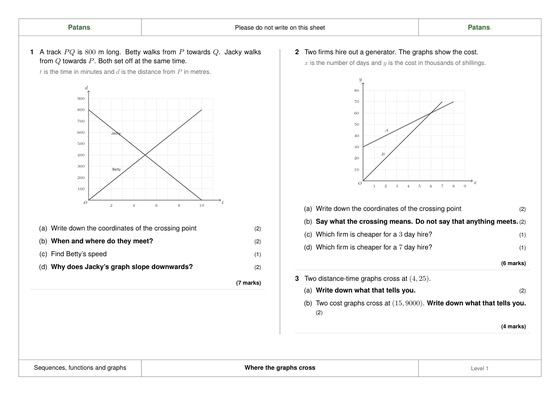
Read and interpret graphs with more than one component. Explain why they have a specific shape and the significance of intersections of the graphs.
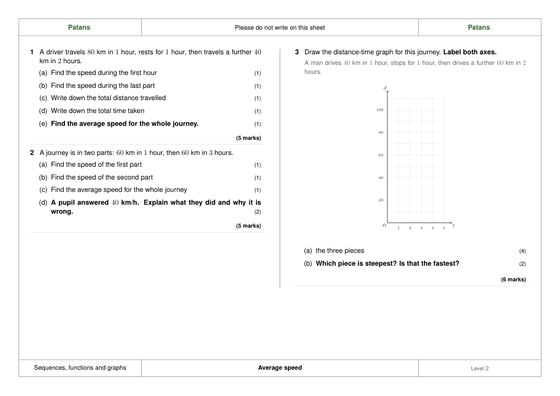
Read, draw and interpret graphs and use compound measures to compare graphs.
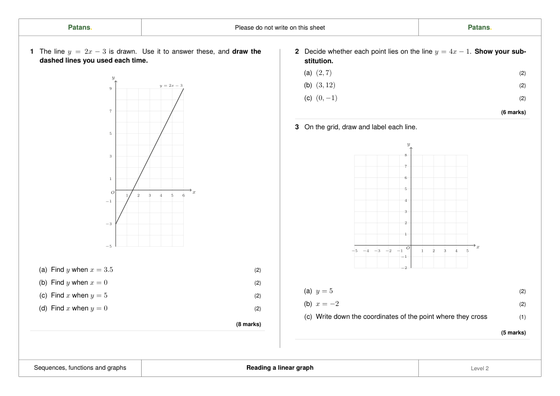
Recognise straight-line graphs parallel to the - or -axis.
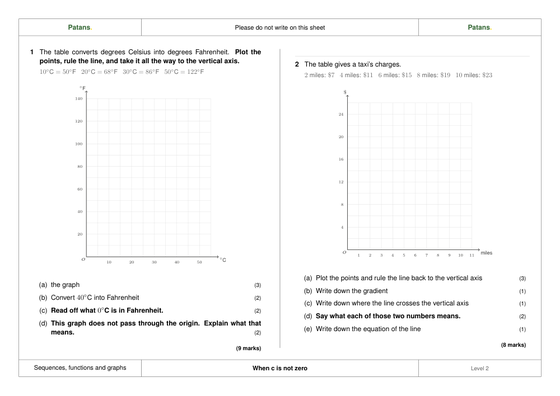
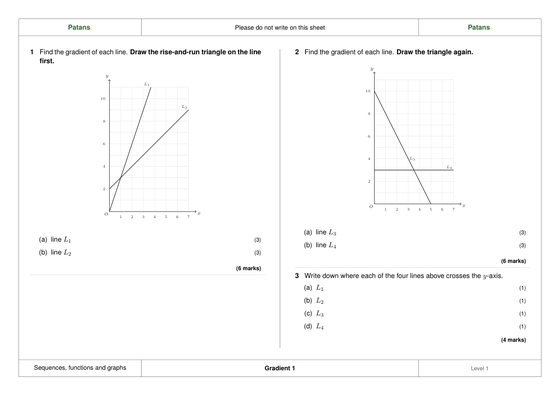
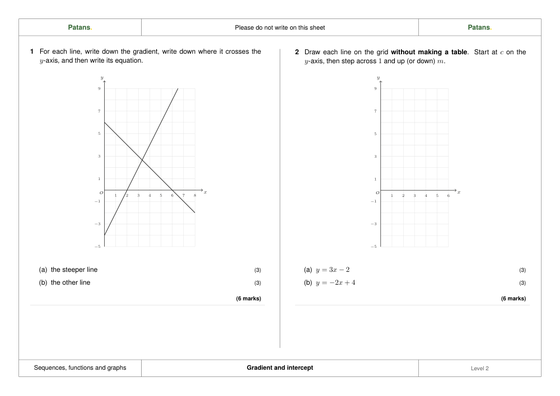
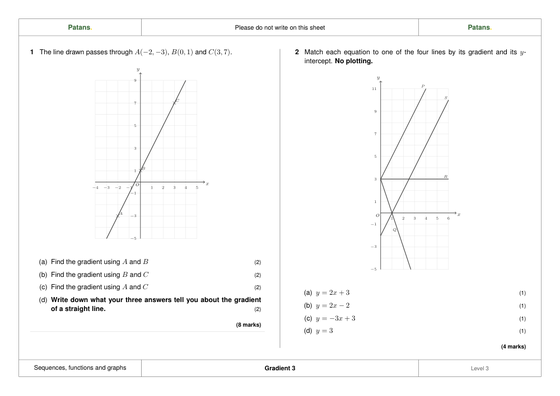
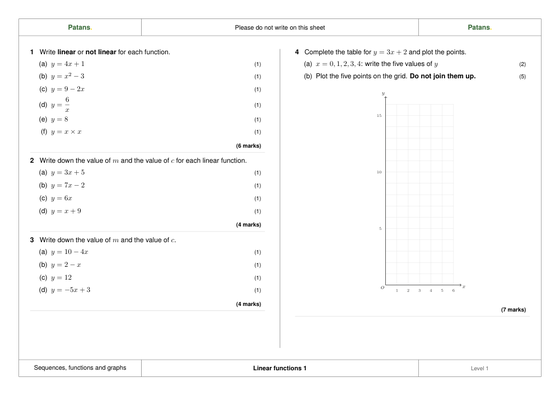
Recognise that equations of the form correspond to straight-line graphs, where is the gradient and is the -intercept (integer values of ).
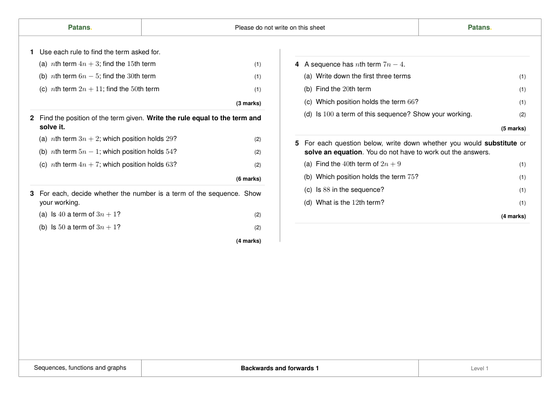
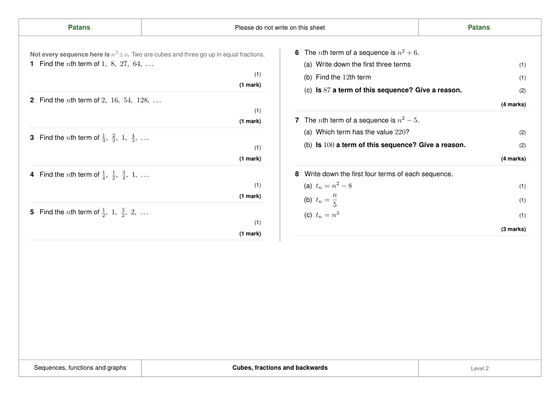
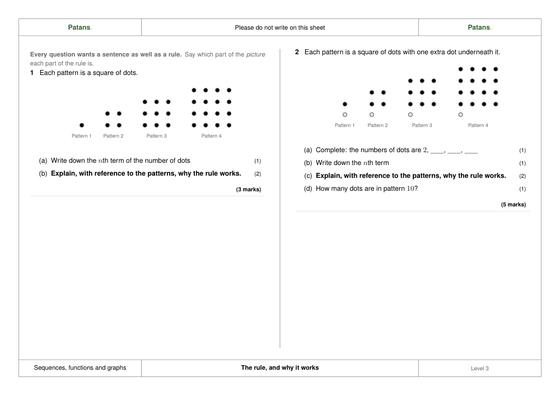
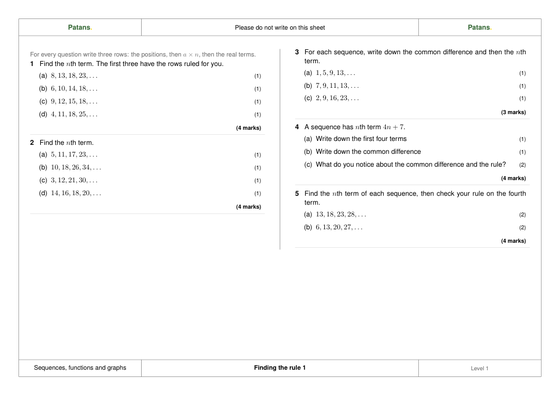
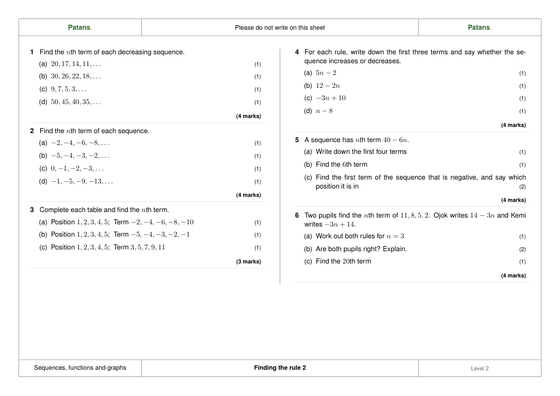
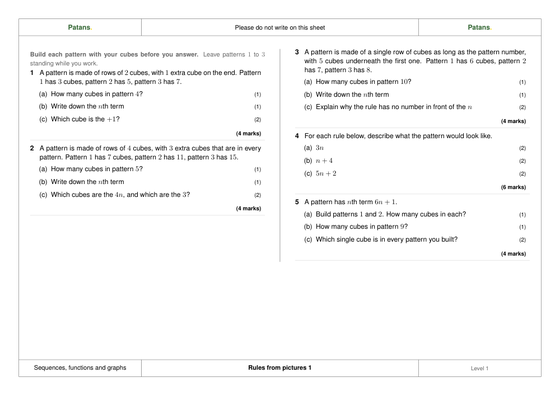
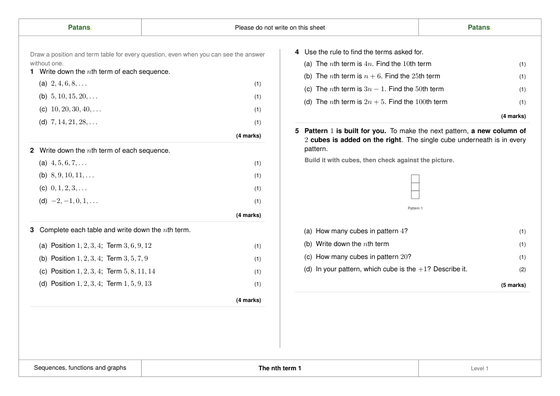
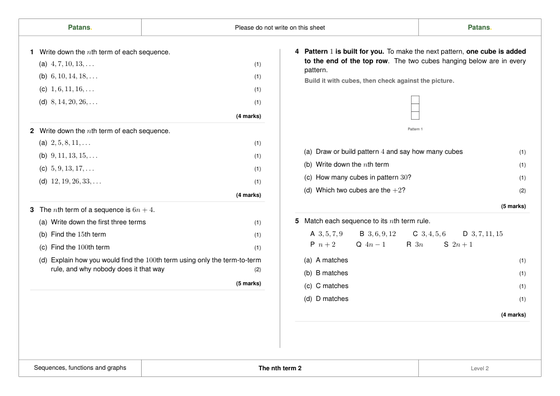
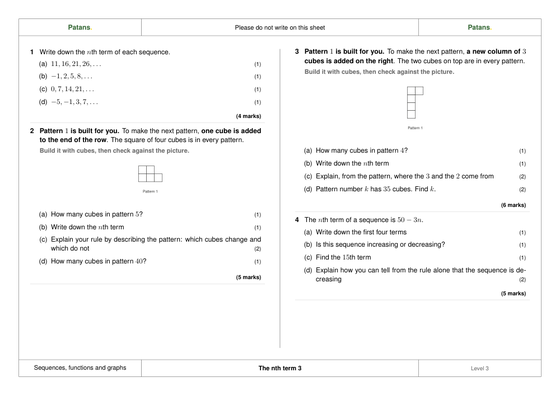
Understand and describe nth term rules algebraically (in the form , where is a whole number).
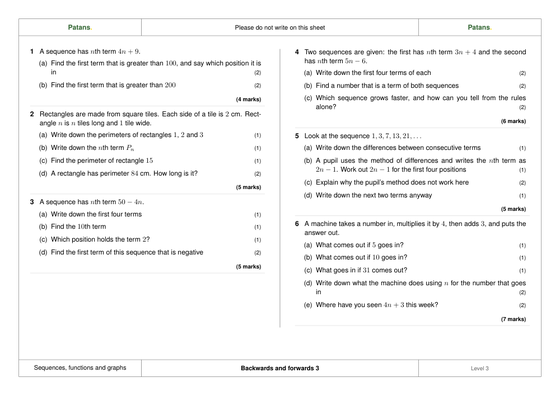
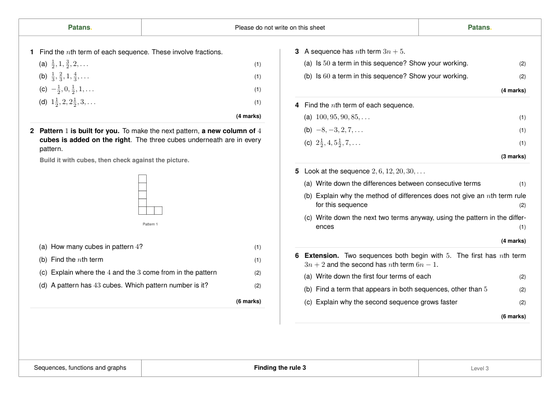
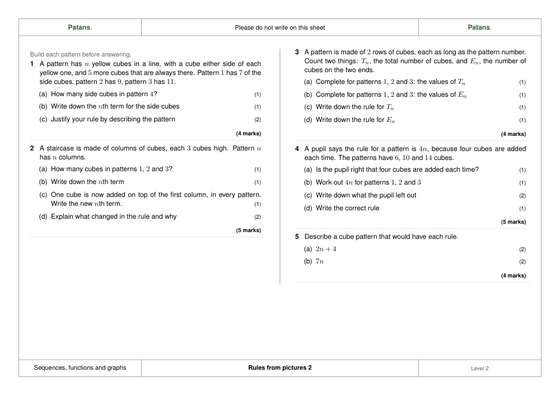
Understand and describe nth term rules algebraically (in the form , or where and are positive or negative integers or fractions).
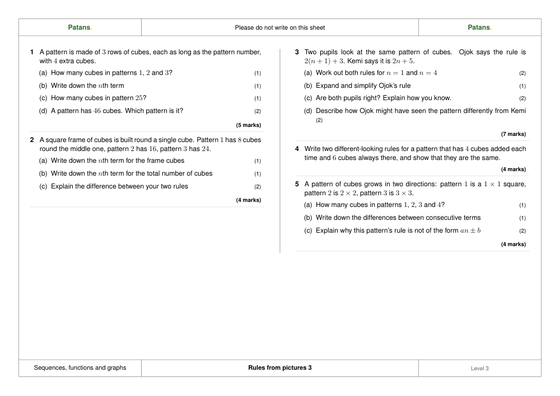
Understand and describe nth term rules algebraically (in the form where and are positive or negative integers or fractions, and in the form , or , where a is a whole number).
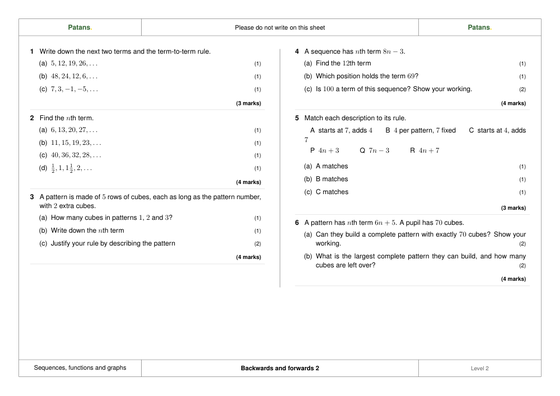
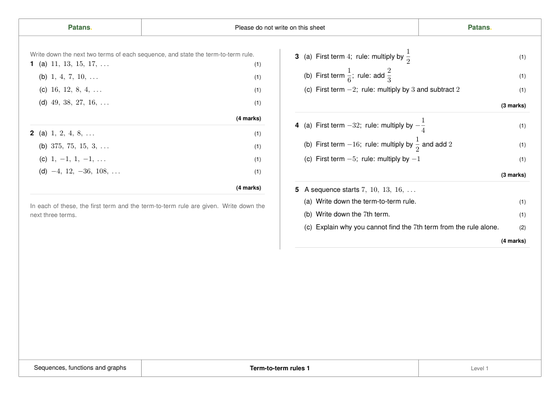
Understand term-to-term rules, and generate sequences from numerical and spatial patterns (including fractions).
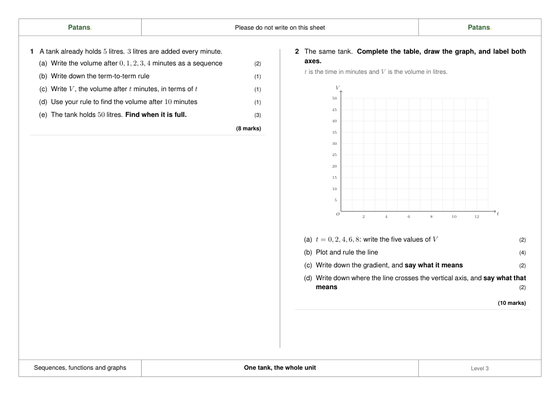
Understand term-to-term rules, and generate sequences from numerical and spatial patterns (linear and integers).
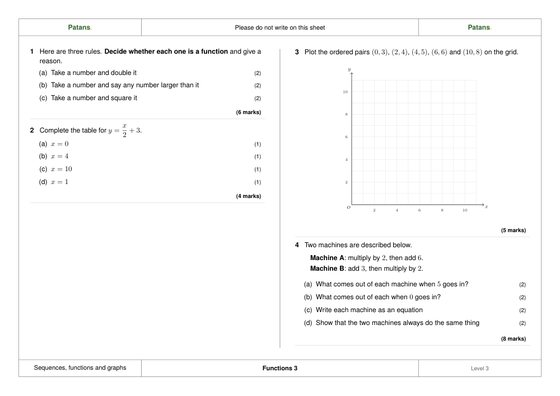
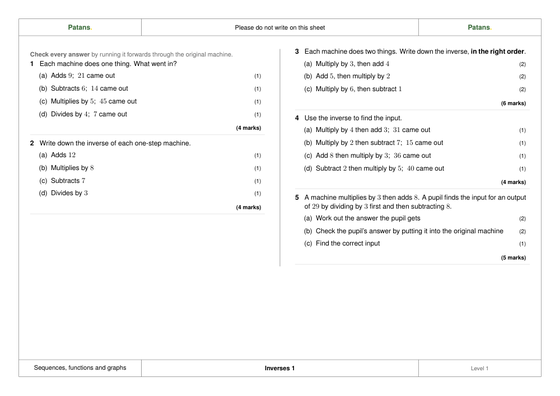
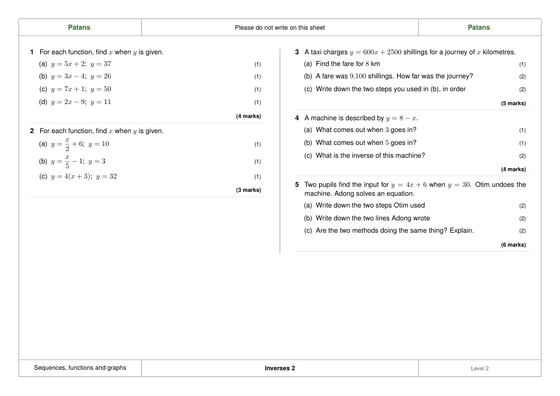
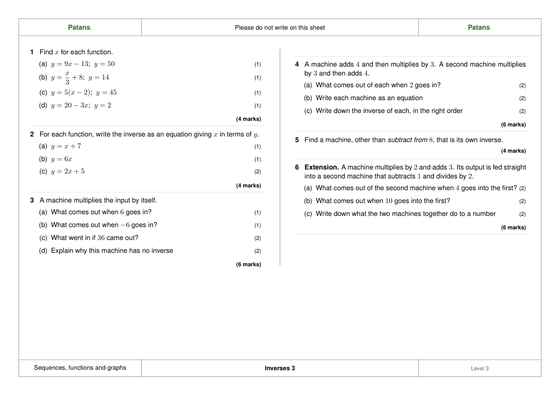
Understand that a function is a relationship where each input has a single output. Generate outputs from a given function and identify inputs from a given output by considering inverse operations (including fractions).
Understand that a function is a relationship where each input has a single output. Generate outputs from a given function and identify inputs from a given output by considering inverse operations (including indices).
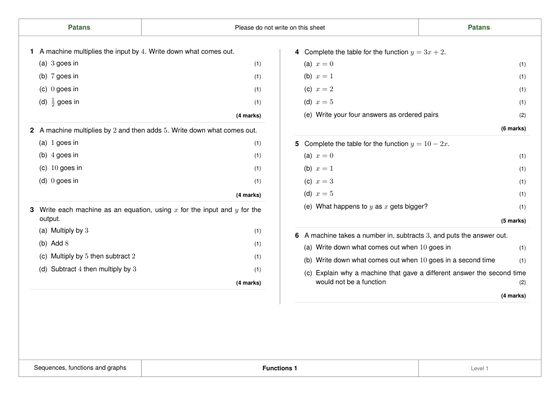
Understand that a function is a relationship where each input has a single output. Generate outputs from a given function and identify inputs from a given output by considering inverse operations (linear and integers).
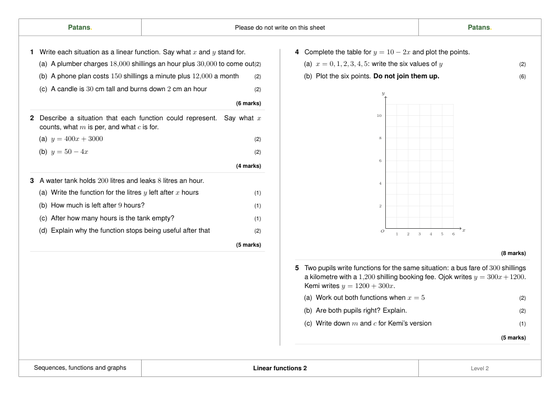
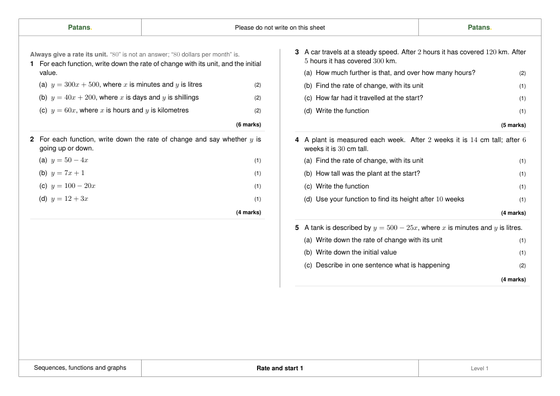
Understand that a situation can be represented either in words or as a linear function in two variables (of the form or ), and move between the two representations.
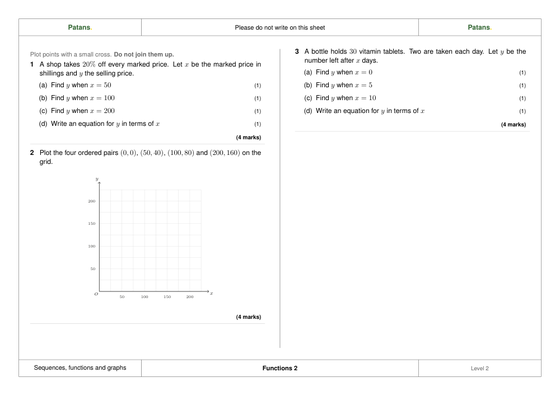
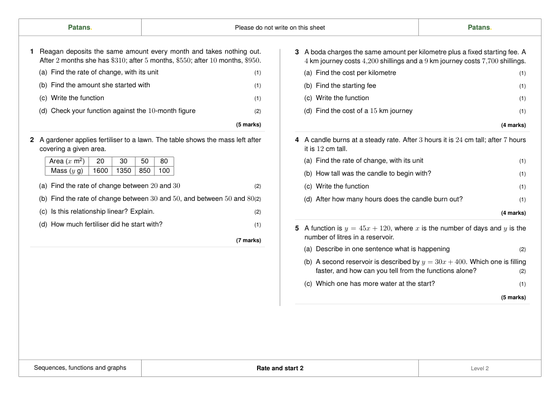
Understand that a situation can be represented either in words or as a linear function in two variables (of the form ), and move between the two representations.
Understand that straight-line graphs can be represented by equations. Find the equation in the form or where is given implicitly in terms of (fractional, positive and negative gradients).
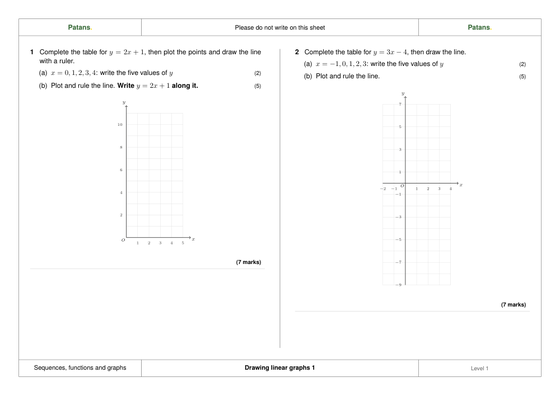
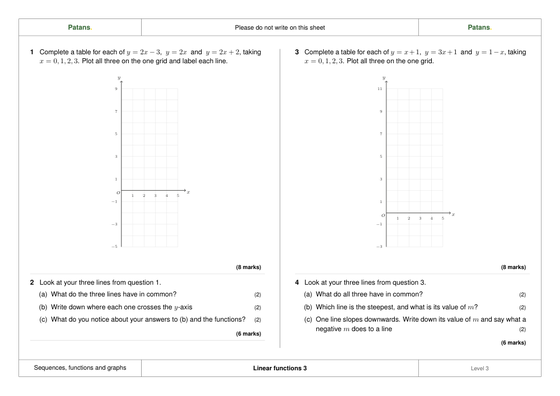
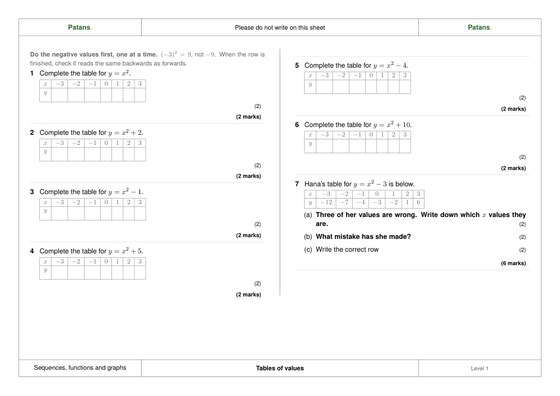
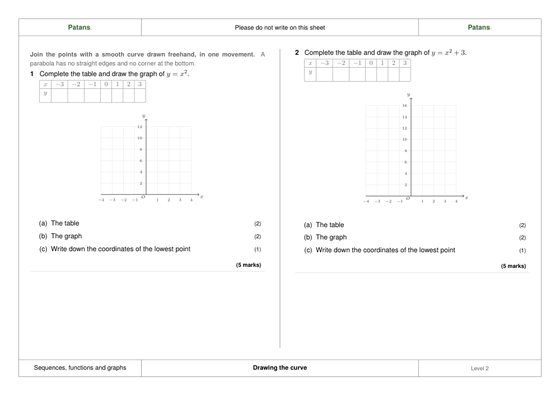
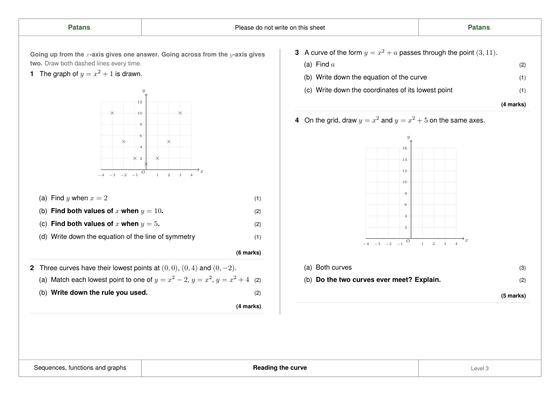
Use knowledge of coordinate pairs to construct tables of values and plot the graphs of linear functions, including where is given implicitly in terms of (), and quadratic functions of the form .
Use knowledge of coordinate pairs to construct tables of values and plot the graphs of linear functions, where is given explicitly in terms of ( or ).
Use knowledge of coordinate pairs to construct tables of values and plot the graphs of linear functions, where is given explicitly in terms of ().
Use knowledge of coordinates to find points on a line segment.